

By AOML Packaging on Jul 24, 2026, 11:00:00 AM
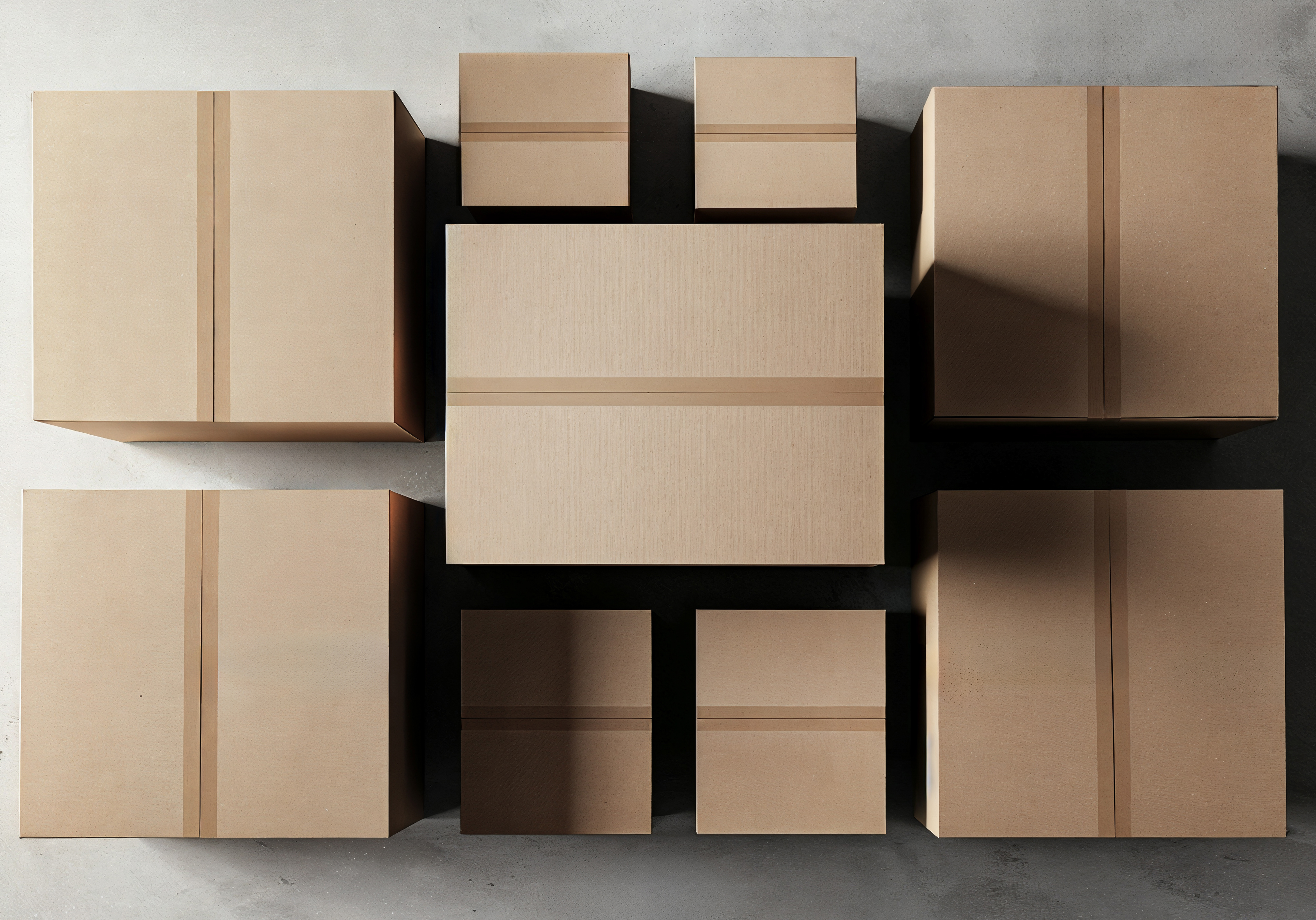
For many businesses, standard stock boxes seem like the easiest option. They are quick to source, readily available and often appear cheaper on paper. But as operations grow, product ranges expand and shipping costs increase, standard packaging can quickly become inefficient whether that’s due to poor pallet stacking or excessive void space in boxes.
That’s why more businesses are moving towards custom cardboard boxes designed around their exact operational requirements. For manufacturers, e-commerce brands, food producers and fulfilment businesses, packaging is no longer just about getting products from A to B. It affects storage, shipping costs, packing efficiency, sustainability and customer experience. And in many cases, standard box sizes simply are not the best fit.

Why Standard Boxes Often Create Hidden Costs
Stock packaging works well for some applications, particularly for low-volume or short-term requirements, but standard sizes rarely match products perfectly. That usually creates problems such as:
- Excess void fill
- Wasted pallet space
- Higher courier costs
- Slower packing times
- Increased risk of transit damage
- Poor presentation
A box that is too large may not seem like a major issue initially. However, when multiplied across hundreds or thousands of shipments, inefficiencies add up quickly. Extra void fill materials increase costs. Larger boxes take up more warehouse space. Shipping charges rise due to dimensional weight pricing.
Over time, businesses often spend significantly more compensating for poorly sized packaging than they would investing in bespoke cardboard boxes in the first place.
Why Custom Cardboard Boxes Perform Better
Custom cardboard boxes are designed specifically around the product, supply chain and operational requirements. That means businesses can optimise:
- Product fit
- Transit protection
- Pallet configuration
- Packing speed
- Storage efficiency
- Shipping costs
Correct sizing also improves consistency throughout fulfilment operations. Warehouse teams spend less time adapting packaging processes or trying to make unsuitable stock boxes work for different products. If your business is growing and scaling, those operational improvements can have a major impact over time.
Different Industries Have Different Packaging Requirements
Not every industry requires the same packaging approach. For example, food and supplement companies may prioritise compliance, traceability and transit protection. E-commerce businesses may focus more heavily on shipping efficiency and customer experience. Industrial manufacturers may require stronger board grades and improved stacking strength.
This is where custom size cardboard boxes become particularly valuable. Rather than choosing from limited stock sizes, businesses can create packaging that supports the specific demands of their operation.
That may include:
- Bespoke die-cut designs
- Protective inserts
- Shelf-ready packaging
- Transit-optimised shipper boxes
- Retail-ready presentation packaging
- Heavy-duty corrugated solutions
The result is packaging that works more effectively across the entire supply chain.
When Bespoke Packaging Becomes Essential
There are certain situations where standard packaging simply stops being practical.
This often happens when:
- Products are unusually shaped
- Shipping damage becomes frequent
- Fulfilment volumes increase
- Courier costs become difficult to control
- Sustainability targets become more important
- Businesses want to improve operational efficiency
For example, a growing e-commerce business shipping products in oversized stock boxes may face increasing dimensional weight charges from couriers. Switching to bespoke cardboard boxes designed around the product dimensions can significantly reduce shipping costs while also improving transit protection.
Similarly, manufacturers using multiple box sizes to compensate for inconsistent packaging may be able to simplify operations through more tailored packaging solutions.
The Role Of Packaging Consultancy
Good packaging manufacturers do more than simply produce boxes, instead they work consultatively with customers to identify inefficiencies, reduce operational problems and improve packaging performance over time.
That may involve reviewing product dimensions and pallet layout as well as any storage constraints and shipping methods. They’ll also consider transit risks, sustainability goals and your packing processes too.
Often, relatively small packaging adjustments can create significant long-term savings.
This is why many businesses now look for suppliers that offer practical problem-solving support rather than simply quoting unit prices.
How PPWR Is Changing Packaging Decisions
The Packaging and Packaging Waste Regulation (PPWR) is increasing pressure on businesses to reduce unnecessary packaging waste and improve material efficiency. That means oversized packaging and excessive void fill are becoming bigger concerns operationally and environmentally.
Custom cardboard help businesses reduce waste by using packaging that is appropriately sized for the product being shipped. This reduces material usage, and particularly the use of excessive void fill products. It also helps lower shipping emissions and ensure pallet layout and stacking is optimised. This in turn helps you with improved sustainability reporting.
As sustainability requirements continue to evolve, many businesses are reviewing whether stock packaging still makes sense operationally.
Packaging Should Support Operational Efficiency
The right packaging should make operations easier, not more complicated.
While stock boxes may appear convenient initially, bespoke packaging often delivers better long-term value through improved efficiency, reduced waste and lower operational costs.
For many businesses, the question is no longer whether custom cardboard boxes cost slightly more upfront. It is whether inefficient packaging is actually costing far more in the background.
Looking for packaging designed around your products and operations? Speak to AOML about bespoke corrugated packaging solutions tailored to efficiency, protection and long-term performance.
Image source: Freepik
Top 5 Custom Cardboard Box Design Mistakes to Avoid
Why BRCGS AA Grade is Critical for Food and Pharma Logistics
No Comments Yet
Let us know what you think